
A Beginner's Guide to Buying Property in Oman
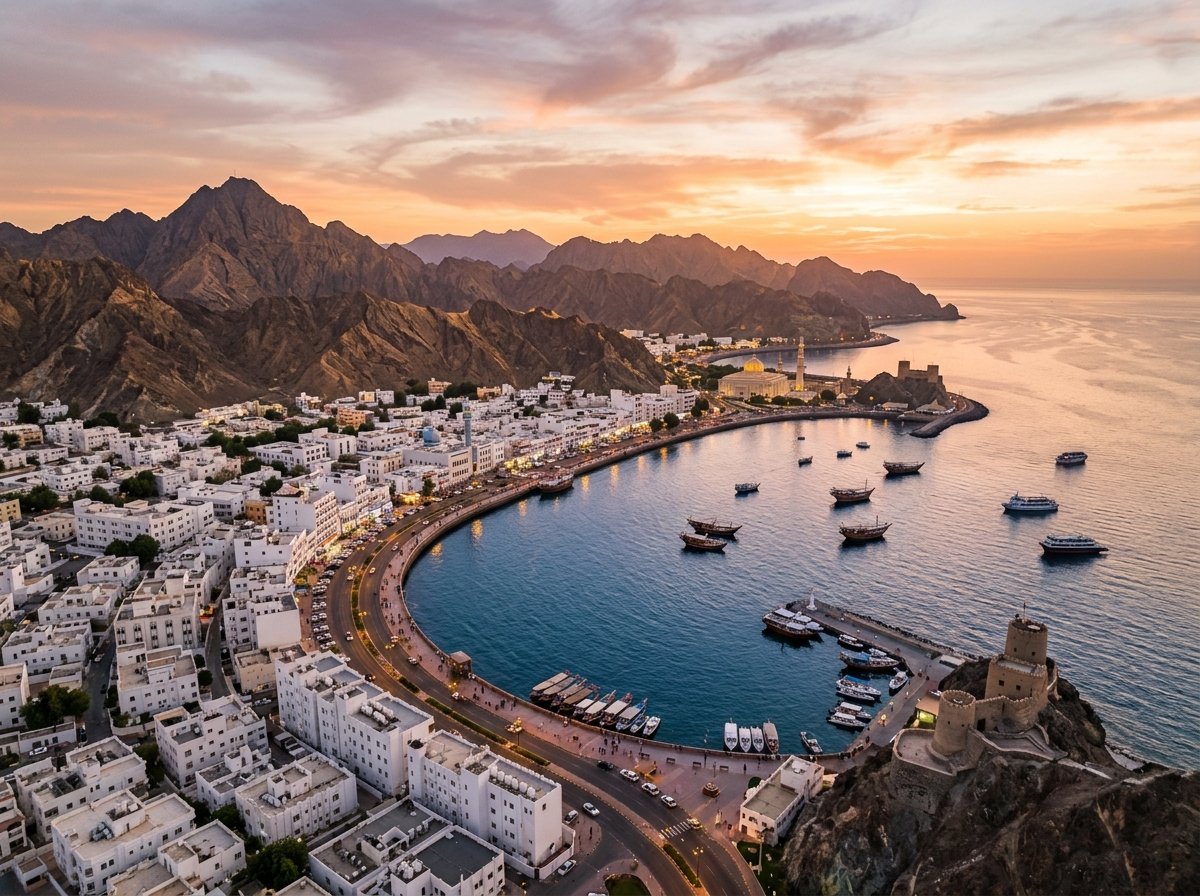
Can You Buy Property in Oman?
Yes, purchasing real estate in the Sultanate of Oman is open to both Omani citizens, GCC nationals, and foreign expatriates under clear legal frameworks governed by the Ministry of Housing and Urban Planning (MHUP). Supported by Oman Vision 2040, the Sultanate has significantly modernized its property registration ecosystem, making transactions secure, transparent, and legally protected.
Property Types
The real estate market in Oman offers several distinct property types tailored to diverse residential and investment needs:
- Villas: Standalone luxury villas and twin villas popular with families seeking generous living space, private gardens, and majlis quarters.
- Apartments: From studio units to 3-bedroom penthouses, available in urban developments and resort-style Integrated Tourism Complexes (ITCs).
- Townhouses & Compound Houses: Gated family residences offering communal amenities like shared swimming pools and children play areas.
- Residential & Commercial Land: Investment plots documented with Ministry of Housing Krooki schematics for custom villa construction or commercial development.
- Commercial Units: Retail shops, offices, and warehouses catering to expanding enterprise activities.
Non-Omani Ownership
Foreign nationals and international investors can purchase freehold residential and commercial properties within designated Integrated Tourism Complexes (ITCs). Key benefits of buying in an ITC include:
- 100% Freehold Title: Indefinite ownership with full rights to resell, lease, or bequeath the property.
- Residency Eligibility: Purchasing qualifying freehold property grants real estate residency for the buyer and their immediate family members.
- Top Master-Planned Communities: Prime ITCs include Al Mouj Muscat, Muscat Bay, Jebel Sifah, and Hawana Salalah.
Outside of ITCs, foreign nationals may also purchase residential apartments in multi-story licensed residential-commercial buildings across designated wilayats subject to MHUP regulations, or invest through registered Omani commercial entities.
Checks Before Purchasing
Conducting thorough due diligence protects your investment and ensures a frictionless transaction:
- Title Deed (Mulkiya) Verification: Confirm the seller is the registered legal owner and verify that the deed is free of existing mortgages, liens, or court injunctions.
- Krooki (Cadastral Survey Map) Inspection: Check the plot boundaries, coordinates, land usage classification (residential, commercial, or mixed-use), and building coverage ratio (percentage allowable to build).
- Physical & Structural Inspection: Inspect construction quality, plumbing, electrical fixtures, AC systems, and structural soundness.
- Maintenance & Utility Clearance: For ITC or managed developments, ensure all historical service charges, electricity, and water bills are settled up to the handover date.
Documents
To initiate and complete a property acquisition in Oman, both buyers and sellers must present the following authenticated documentation:
- Original and copy of buyer and seller valid Civil ID (for Omanis/GCC) or Passport and Resident Card (for expatriates).
- Original Title Deed (Mulkiya) and survey drawing (Krooki) issued by the Ministry of Housing and Urban Planning.
- Proof of financial capacity or bank mortgage pre-approval letter.
- Official Power of Attorney (if acting through a licensed legal representative or broker).
- No Objection Certificate (NOC) from the ITC master developer (if applicable).
Steps
The standard property purchase journey in Oman follows six sequential phases:
- Property Selection & Due Diligence: Inspect the property, verify title deed accuracy, Krooki boundaries, and ensure no encumbrances exist.
- Offer & Reservation Agreement: Sign a Memorandum of Understanding (MoU) and deposit an earnest reservation fee (typically 10%).
- Developer NOC: In ITC master communities, apply for the developer's No Objection Certificate.
- Mortgage Finalization: Finalize loan documentation with your chosen Omani licensed commercial or Islamic bank.
- Title Transfer at MHUP: Both parties (or legal proxies) attend the Ministry of Housing and Urban Planning or approved Sanad Service Centre to execute the official deed transfer.
- Issuance of New Mulkiya: The title deed is reissued under the buyer's name, and final keys are handed over.
Fees
Property acquisition in Oman features one of the most competitive tax and fee structures in the GCC region:
- Ministry of Housing Transfer Fee: 3% of the agreed purchase value (reduced from historical 5% to stimulate investment).
- Real Estate Brokerage Commission: Standard 1.5% to 2% payable by agreement.
- Developer NOC Fee (ITCs): Typically between 100 to 500 OMR depending on the master community.
- Annual Property Tax: 0% (Oman imposes no recurring annual property or wealth taxes).
FAQs
Can foreign owners lease their Omani property to tenants?
Yes. Property owners in Oman enjoy unrestricted rights to lease their properties on short-term holiday or long-term annual contracts registered with the local municipality.
How long does the deed transfer process take?
With digitised MHUP services and Sanad centres, standard title transfers are typically processed within 2 to 5 business days once all documentation is submitted.